

Professional translators working on technical specifications. Image source: Unsplash
Why Clear Communication Matters When Sourcing from China
When ordering products from overseas factories, getting your message across clearly can make or break your business success. Small mistakes in translation can lead to big problems with your products.
According to a 2023 Statista report, 68% of small businesses report experiencing product defects due to miscommunication with international suppliers.
At Supplier Ally, we’ve seen how proper translation saves businesses both money and headaches. This guide will help you avoid common pitfalls and ensure your products arrive exactly as you imagined.
The Real Cost of Poor Translation
Poor translation doesn’t just cause frustration—it hits your bottom line:
- Production delays when samples need multiple corrections
- Wasted materials from incorrectly manufactured products
- Shipping costs for replacement products
- Lost sales due to inventory shortages
- Damaged customer relationships from quality issues
McKinsey & Company found that communication errors add an average of 25% to total sourcing costs for small businesses working internationally.
Common Translation Problems in China Sourcing
1. Technical Term Confusion
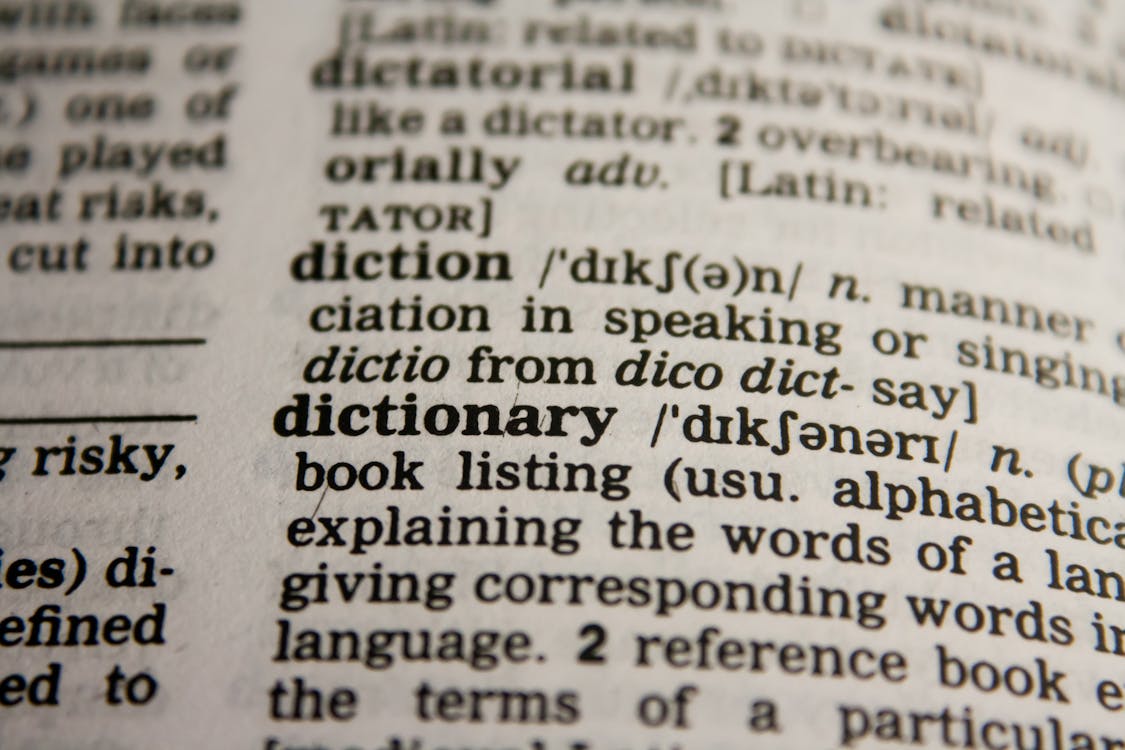
Technical dictionaries help bridge terminology gaps. Image source: Pexels
Many manufacturing terms don’t translate directly between English and Chinese. This creates confusion about what you’re actually ordering.
Real example: A client asked for “brushed metal finish” but received a painted surface designed to look like brushed metal.
The International Journal of Translation Studies reports that technical terminology accounts for 45% of all critical translation errors in manufacturing contexts.
2. Measurement Misunderstandings
Confusion about measurements happens in three main ways:
- Metric vs. imperial unit conversion errors
- Different ways of expressing tolerances
- Misinterpreted decimal points or commas
Quick tip: Always include both measurement systems and use visual diagrams with clearly marked dimensions.
3. Cultural Assumptions About Quality
What “good quality” means varies greatly between cultures and markets.
A Harvard Business Review study found that Chinese manufacturers often prioritize different quality aspects than Western buyers expect, leading to mismatched expectations.
5 Proven Strategies for Clear Technical Communication
1. Create Visual Specification Sheets

Technical drawings with clear annotations prevent misunderstandings. Image source: Pexels
Visual information gets processed 60,000 times faster than text, according to the Visual Teaching Alliance.
Your specification sheets should include:
- Detailed photos from multiple angles
- Technical drawings with measurements
- Color swatches with exact Pantone codes
- Sample materials or finishes
- Examples of acceptable vs. unacceptable quality
2. Develop a Bilingual Technical Glossary
Create a simple reference guide for your specific product that includes:
- Key technical terms in English and Chinese
- Photos illustrating each term
- Notes about common misunderstandings
- Industry standard references
- Examples of correct implementation
Success story: One Supplier Ally client reduced specification questions by 78% after creating a 50-term illustrated glossary for their product.
3. Implement a Multi-Stage Verification Process

Regular quality verification catches issues early. Image source: Pexels
Don’t wait until final production to check understanding:
- Pre-production verification: Review technical drawings and 3D models
- First article inspection: Check initial samples against specifications
- Mid-production check: Verify consistency during manufacturing
- Pre-shipment inspection: Final quality control before shipping
The Aberdeen Group reports that companies using multi-stage verification reduce defect rates by 32%.
4. Use Professional Translation Services
For critical technical documents, professional translation is worth the investment.
Look for translators with:
- Experience in your specific industry
- Technical background related to your product
- Familiarity with manufacturing terminology
- Understanding of both cultures
A Common Sense Advisory study found that companies using professional translation services see 37% higher export revenues compared to those using informal translation methods.
5. Work with a Multilingual Sourcing Agent

A sourcing agent bridges communication gaps between you and factories. Image source: Unsplash
A good sourcing agent does more than just translate words—they translate context and intent.
Benefits include:
- Cultural understanding of both markets
- Technical knowledge of manufacturing processes
- Ability to spot potential misunderstandings before they cause problems
- On-site verification of specifications
- Real-time problem solving during production
Case Study: How Clear Communication Saved a Product Launch
The Problem
A small business client needed to source a kitchen appliance with specific safety features. Initial quotes from factories varied widely, suggesting misunderstandings about the requirements.
Our Solution
- Created detailed bilingual specifications
- Developed a 30-term technical glossary
- Added visual references for all components
- Included international safety standard designations
- Implemented a three-stage sample approval process
- Established clear testing protocols
- Conducted video reviews of initial samples
- Documented all feedback in both languages
- Provided on-site technical support
- Visited the factory during critical production phases
- Facilitated direct communication between engineers
- Verified safety features in person
The Results
- 100% accuracy in technical specifications
- Reduced sample rounds from 4 to just 2
- 15% cost savings through clearer communication
- On-time delivery with zero quality issues
- Framework established for future orders
5 Quick Tips for Small Businesses
1. Invest Time in Detailed Specifications
The time you spend on clear specifications saves much more time fixing problems later.
- Use templates to ensure consistency
- Include more detail than seems necessary
- Specify what’s NOT acceptable, not just what is
- Update documentation based on lessons learned
2. Use Technology Wisely

Modern technology helps bridge communication gaps. Image source: Pexels
Modern tools can help bridge communication gaps:
- Share CAD files and 3D models
- Create video explanations of complex features
- Use annotation tools on technical drawings
- Consider video calls for real-time clarification
3. Build Relationship-Based Communication
Developing strong relationships improves communication over time:
- Schedule regular video calls with factory contacts
- Learn basic technical terms in Chinese
- Maintain consistent points of contact
- Express appreciation when communication goes well
4. Verify Understanding at Multiple Stages
Don’t wait until final production to check understanding:
- Ask factories to summarize requirements back to you
- Review initial designs before full samples
- Approve material samples before production begins
- Implement quality checks during production
5. Document Everything
Create a knowledge base that improves communication over time:
- Record all clarifications and changes
- Document common misunderstandings
- Take photos of acceptable and unacceptable examples
- Maintain a history of communication challenges and solutions
Conclusion: Clear Communication Is Your Competitive Advantage
Effective translation isn’t just about words—it’s about ensuring shared understanding across different cultures and manufacturing contexts.
For small businesses sourcing products internationally, this challenge can seem overwhelming. However, with the right strategies and support, you can overcome language barriers and ensure your products are manufactured exactly to your specifications.
At Supplier Ally, our multilingual expertise has helped hundreds of small businesses successfully navigate these challenges. By implementing the strategies in this guide, you can significantly reduce risks and improve product quality.
Contact us today to learn how our boutique sourcing approach can help your small business achieve big results in international product development.
Meta Description: Learn how to overcome translation challenges when sourcing from China. This guide provides practical strategies for small businesses to ensure technical specifications are accurately communicated.
Keywords: China sourcing translation, technical specification translation, manufacturing communication, sourcing agent, product specification translation, China supplier communication, small business sourcing, multilingual sourcing, technical translation services
 EN
EN  ES
ES