

Image source: Unsplash
Introduction: The Hidden Costs Behind Your Shipping Budget
When sourcing products from China, most businesses focus primarily on product costs and basic shipping rates. However, the true cost of logistics often exceeds initial estimates by 40-60% due to commonly overlooked expenses. These hidden logistics costs can erode profit margins and create cash flow challenges for unprepared businesses.
At Supplier Ally, we’ve witnessed countless small businesses face unexpected financial strain when their carefully calculated shipping budgets spiral out of control. The difference between projected and actual logistics costs frequently determines whether an import venture succeeds or fails.
This comprehensive guide reveals the most commonly underestimated shipping budget factors when sourcing from China. By understanding these hidden cost traps, you’ll be better equipped to create realistic budgets, maintain healthy margins, and avoid the financial surprises that plague inexperienced importers.
1. The True Cost of Freight Rate Volatility
1.1. Understanding Shipping Rate Fluctuations
Shipping rates from China to international destinations are notoriously volatile, with prices sometimes doubling or even tripling within weeks. Many businesses make the critical mistake of basing their long-term product pricing on spot freight rates available at the time of initial research.

Image source: Pexels
The reality is that ocean freight rates are influenced by numerous factors beyond your control:
- Seasonal demand fluctuations: Rates typically surge during peak seasons (August-October for holiday inventory)
- Fuel price variations: Bunker fuel costs directly impact shipping rates
- Container availability: Equipment shortages can drive up prices
- Port congestion: Delays at major ports create capacity constraints
- Geopolitical events: Trade tensions, canal blockages, or regional conflicts
One Supplier Ally client who sourced furniture from Guangdong experienced a 135% increase in shipping costs between placing their order and when their goods were ready to ship three months later. This unexpected increase reduced their profit margin from 42% to just 18%.
1.2. Strategies to Mitigate Rate Volatility
To protect your business from shipping rate volatility:
- Build buffer margins: Add a 15-25% buffer to current freight rates when calculating product costs
- Consider freight contracts: For regular shipments, negotiate longer-term contracts with fixed rates
- Diversify shipping methods: Maintain relationships with multiple freight forwarders
- Time your shipments strategically: Avoid peak seasons when possible
- Monitor freight indexes: Track the Shanghai Containerized Freight Index (SCFI) to anticipate changes
2. The Complexity of Incoterms and Their Financial Impact
2.1. Common Incoterm Misunderstandings
Incoterms (International Commercial Terms) define who bears responsibility for shipping costs, insurance, and risk at each stage of transportation. Many small businesses default to the most common terms without understanding their full financial implications.
The most frequently used Incoterms when sourcing from China include:
- FOB (Free On Board): Seller covers costs until goods are loaded onto the vessel
- CIF (Cost, Insurance, and Freight): Seller arranges and pays for shipping and insurance to the destination port
- EXW (Ex Works): Buyer assumes all transportation responsibilities and costs from the factory
Each term carries different cost implications that are often overlooked. For example, many businesses choose EXW thinking it’s the cheapest option, not realizing they’ll need to arrange inland transportation in China, export clearance, loading, and potentially face higher rates without the supplier’s shipping volume discounts.
2.2. Hidden Costs Within Each Incoterm
Each Incoterm includes different cost components that may not be immediately obvious:
FOB Hidden Costs:
- Terminal handling charges at origin (THC)
- Export customs clearance fees
- Security and documentation fees
- Container loading supervision
CIF Hidden Costs:
- Limited insurance coverage (typically only 110% of invoice value)
- No control over carrier selection
- Potential for higher freight rates passed on by supplier
- Destination terminal handling charges still your responsibility
EXW Hidden Costs:
- Inland transportation in China
- Export clearance and documentation
- Higher freight rates without supplier volume discounts
- Loading fees and coordination
A Supplier Ally client who initially chose EXW for electronics components from Shenzhen ended up paying 22% more in total logistics costs compared to FOB, primarily due to inefficient inland transportation arrangements and higher freight rates.
3. Demurrage and Detention: The Silent Budget Killers
3.1. Understanding Container Rental Penalties
Demurrage and detention charges are among the most painful and unexpected costs for inexperienced importers. These fees are essentially late penalties for keeping containers beyond the allotted free time:
- Demurrage: Charges applied when a container remains at the terminal beyond the free time
- Detention: Charges applied when you keep a container outside the terminal beyond the free time
These charges typically range from $75-300 per container per day, quickly accumulating into thousands of dollars for delayed shipments.
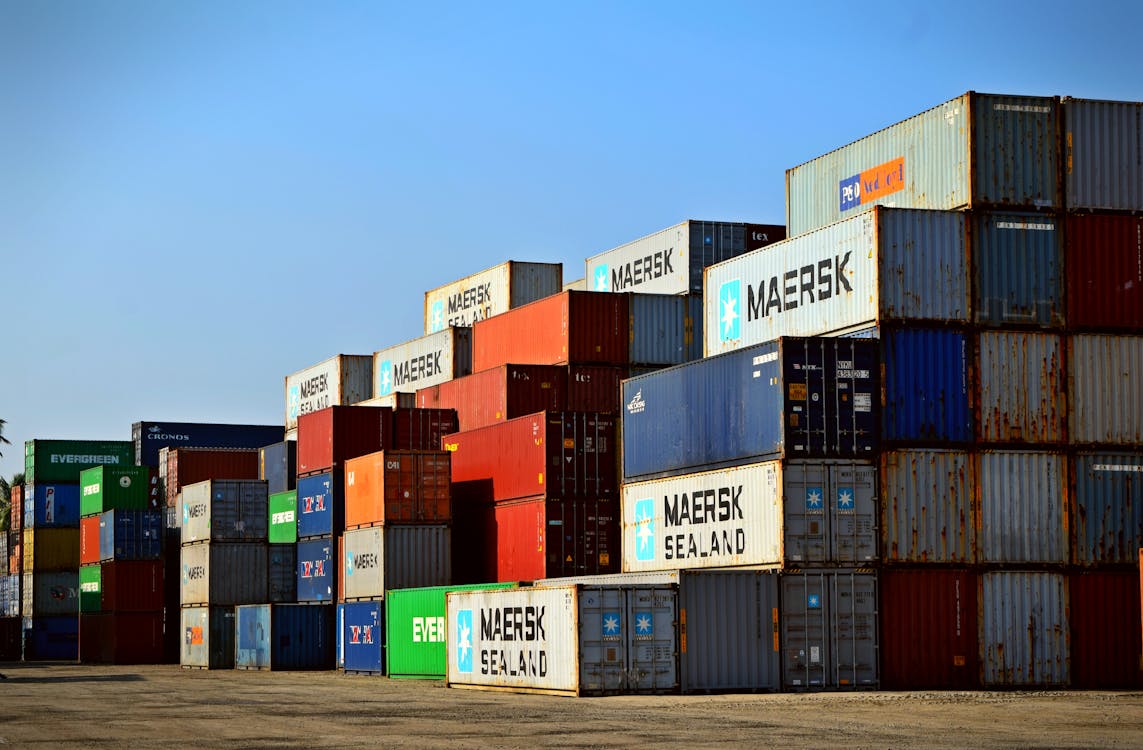
Image source: Pexels
3.2. Common Causes of Extended Container Usage
Several factors can lead to unexpected demurrage and detention charges:
- Customs inspection delays: Random inspections can hold containers for days or weeks
- Incomplete or incorrect documentation: Missing or inaccurate paperwork delays clearance
- Port congestion: High volume periods create backlogs in container processing
- Warehouse scheduling issues: Delivery appointments not aligned with free time periods
- Trucking capacity limitations: Shortage of available trucks to move containers
One small business importing seasonal products from China incurred over $8,400 in demurrage charges when their shipment arrived during a port labor slowdown, extending the container dwell time by 14 days beyond the free period.
3.3. Strategies to Minimize Demurrage and Detention
To avoid these costly penalties:
- Know your free time allowances: Understand exactly how many days you have before charges begin
- Pre-clear customs when possible: Submit documentation before vessel arrival
- Arrange transportation in advance: Book trucking services early
- Consider container freight stations: Use CFS for deconsolidation rather than taking full containers
- Negotiate extended free time: Some carriers will offer additional days for regular customers
4. Customs Clearance Complexities and Unexpected Fees
4.1. Beyond Basic Duties and Taxes
Most businesses account for basic import duties and taxes in their budgets, but customs clearance involves numerous additional fees that can significantly impact your bottom line:
- Customs broker fees: $150-500 per shipment depending on complexity
- Entry filing fees: $25-75 per entry
- Harbor maintenance fees: 0.125% of cargo value for ocean shipments to the US
- Merchandise processing fees: 0.3464% of cargo value (minimum $27.23, maximum $528.33 for US imports)
- Single entry bonds: $50-100 per shipment
- Continuous bonds: $250-500 annually for regular importers
4.2. The Cost of Customs Examinations
Random customs examinations can add substantial unexpected costs:
- Document examination: $75-200
- X-ray examination (VACIS): $200-500
- Tailgate examination: $200-400
- Intensive examination: $500-2,000+
- Storage during examination: $25-100 per day
These examinations are random and cannot be predicted in advance, making them impossible to budget for with certainty. The best approach is to maintain a contingency fund of approximately 5% of your shipment value to cover potential examination costs.
4.3. Harmonized Tariff Schedule Classification Challenges
Incorrect product classification under the Harmonized Tariff Schedule (HTS) can lead to:
- Duty overpayment: Paying higher duty rates than necessary
- Penalties for misclassification: Up to 2-4 times the duty amount owed
- Shipment delays: Holds while classification is verified
- Additional compliance costs: Expenses to correct classifications
A Supplier Ally client importing multi-function kitchen appliances initially classified their product under a 4.2% duty category, only to discover later that a more accurate classification would have qualified for duty-free treatment, costing them over $12,000 in unnecessary duties.
5. Last-Mile Delivery and Warehousing Surprises
5.1. Accessorial Charges in Domestic Transportation
Once your shipment arrives at the destination port, numerous additional charges can apply for final delivery:
- Liftgate service: $75-150 when a loading dock is unavailable
- Inside delivery: $100-300 for bringing items inside a building
- Limited access locations: $50-150 for deliveries to residential areas or locations with restricted access
- Appointment fees: $25-75 for scheduling specific delivery times
- Storage fees: $25-100 per day when delivery cannot be completed
- Redelivery charges: $100-250 when initial delivery attempts fail
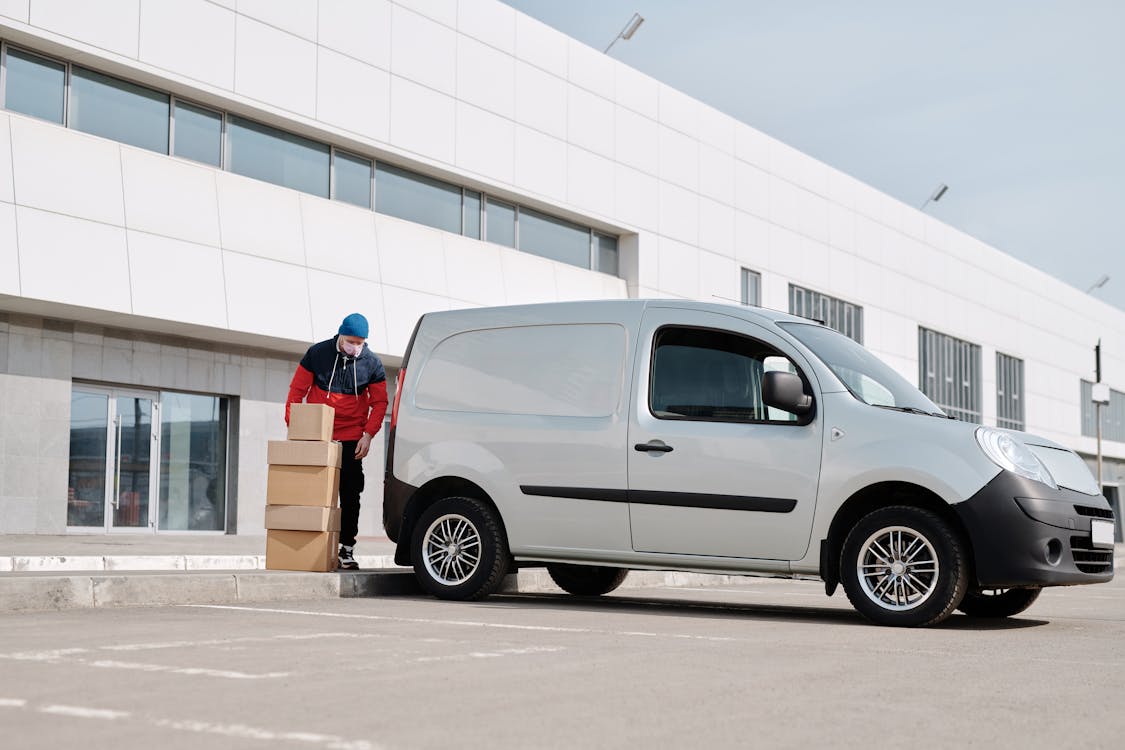
Image source: Pexels
5.2. Warehouse Receiving and Processing Fees
If your goods are destined for a third-party warehouse or fulfillment center, additional costs may include:
- Receiving fees: $25-50 per pallet or $250-500 per container
- Unloading labor: $35-75 per hour
- Sorting and inspection: $20-40 per hour
- Labeling and preparation: $0.25-1.00 per unit
- Storage fees: $10-25 per pallet per month
- System integration fees: $100-500 for inventory management setup
These costs are particularly relevant for e-commerce sellers using fulfillment services like Amazon FBA, where specific preparation requirements can add significant expenses if not properly planned.
5.3. The True Cost of Expedited Shipping
When production delays occur, many businesses resort to expedited shipping methods without fully understanding the cascading costs involved:
Air Freight vs. Ocean Freight Cost Comparison:
| Shipping Method | Cost per CBM | Transit Time | Additional Considerations |
|---|---|---|---|
| Standard Ocean | $150-300 | 30-45 days | Most economical option |
| Express Ocean | $300-500 | 18-25 days | Limited availability |
| Sea-Air Combined | $800-1,200 | 15-20 days | Requires transshipment |
| Standard Air | $2,500-4,000 | 5-8 days | Weight limitations |
| Express Air | $4,000-7,000 | 2-4 days | Highest cost option |
Beyond the base rates, expedited shipping often triggers additional expenses:
- Higher customs broker fees for urgent processing
- Premium handling charges at origin and destination
- After-hours delivery surcharges
- Weekend service fees
- Priority unloading fees
A small business that switched from ocean to air freight for a time-sensitive holiday product launch saw their logistics costs increase from 8% to 37% of their product value, significantly impacting their profitability.
6. Currency Fluctuation and Payment Method Costs
6.1. The Impact of Exchange Rate Volatility
Most Chinese suppliers quote prices in USD, but exchange rate fluctuations between your local currency, USD, and CNY can significantly impact your total costs:
- Timing differences: Quotes received today may be based on different exchange rates than when payment is due
- Bank conversion rates: Most banks add 2-4% markups on currency conversion
- Payment timing strategies: Paying deposits during favorable exchange rates
6.2. Hidden Costs in Payment Methods
Each payment method carries different fees and risks:
Wire Transfer Costs:
- Bank sending fees: $15-50 per transaction
- Intermediary bank fees: $10-30 (often unexpected)
- Receiving bank fees: $15-30
- Currency conversion markups: 2-4%
Letter of Credit Costs:
- Application fee: $100-250
- Amendment fees: $75-150 per change
- Document verification fee: $150-300
- Discrepancy fees: $75-150 per discrepancy
- Confirmation fees: 0.25-2% of transaction value
Credit Card/PayPal Costs:
- Transaction fees: 2.9-4.5%
- Currency conversion fees: 2.5-3.5%
- Chargeback protection: Limited for international transactions
A comprehensive payment strategy should account for these costs and build appropriate buffers into your pricing model.
7. Insurance Gaps and Liability Limitations
7.1. Understanding Cargo Insurance Coverage
Many businesses assume their shipments are fully insured without understanding the significant limitations of carrier liability:
- Ocean carrier liability: Limited to $500 per shipping unit under US law
- Air carrier liability: Approximately $26 per kg under the Montreal Convention
- Domestic carrier liability: Typically $0.50 per pound
These limits mean that without proper cargo insurance, a container with $50,000 worth of goods might only be covered for $500 if lost or damaged.
7.2. Common Insurance Coverage Gaps
Standard cargo insurance policies often contain exclusions that create unexpected exposure:
- General Average: When some cargo is sacrificed to save the vessel, all cargo owners share in the loss
- On-deck storage: Reduced coverage for containers stored on ship decks
- Improper packaging: Claims denied for damage due to insufficient packaging
- Inherent vice: Damage due to the nature of the goods themselves
- Delay losses: Financial losses due to late delivery
7.3. The True Cost of Comprehensive Coverage
Proper cargo insurance typically costs 0.3-0.7% of the insured value (110-120% of the commercial invoice value). While this may seem like an added expense, the cost of a single uninsured loss can be devastating to a small business.
A comprehensive policy should include:
- All-risk coverage: Protection against most physical loss or damage
- Warehouse-to-warehouse coverage: Protection throughout the entire journey
- General Average coverage: Protection against shared losses
- Expediting expenses: Coverage for rush shipping if goods are damaged
8. Compliance and Documentation Expenses
8.1. Product Testing and Certification Costs
Depending on your product category, various compliance requirements may add significant costs:
- Product safety testing: $500-5,000 depending on complexity
- Certification fees: $100-2,000 per certification
- Label compliance verification: $200-500
- Documentation preparation: $75-300
These costs are particularly relevant for regulated products such as:
- Children’s items (CPSIA compliance)
- Electronics (FCC, UL certification)
- Food contact materials (FDA compliance)
- Medical devices (FDA registration)
8.2. Documentation and Administrative Expenses
Proper documentation is essential for smooth customs clearance but often incurs unexpected costs:
- Commercial invoice preparation: $25-75
- Packing list verification: $25-50
- Certificate of Origin: $50-100
- Legalization fees: $75-300 per document for certain countries
- Specialized permits: $100-500 depending on product type
8.3. The Cost of Non-Compliance
Perhaps the most significant hidden cost is the potential expense of non-compliance:
- Customs penalties: Up to 4x the duty amount for negligent violations
- Product recalls: Potentially millions in direct and indirect costs
- Shipment refusal: Complete loss of product value plus return shipping costs
- Legal expenses: $10,000+ for representation in customs or regulatory matters
A small business importing electronic accessories faced over $35,000 in penalties and legal fees when their products were found to lack proper FCC certification, plus the cost of reworking and recertifying the entire shipment.
9. Seasonal and Peak Period Surcharges
9.1. Understanding Peak Season Pricing
Shipping costs fluctuate significantly throughout the year, with several predictable peak periods:
- Chinese New Year (January/February): Rates typically increase 20-40% as factories close and shipping demand surges
- Peak holiday shipping season (August-October): Rates can increase 30-100% as retailers stock up for holiday sales
- End of month/quarter: Many suppliers rush shipments to meet sales targets
- Golden Week (October): Another Chinese holiday period affecting production and shipping
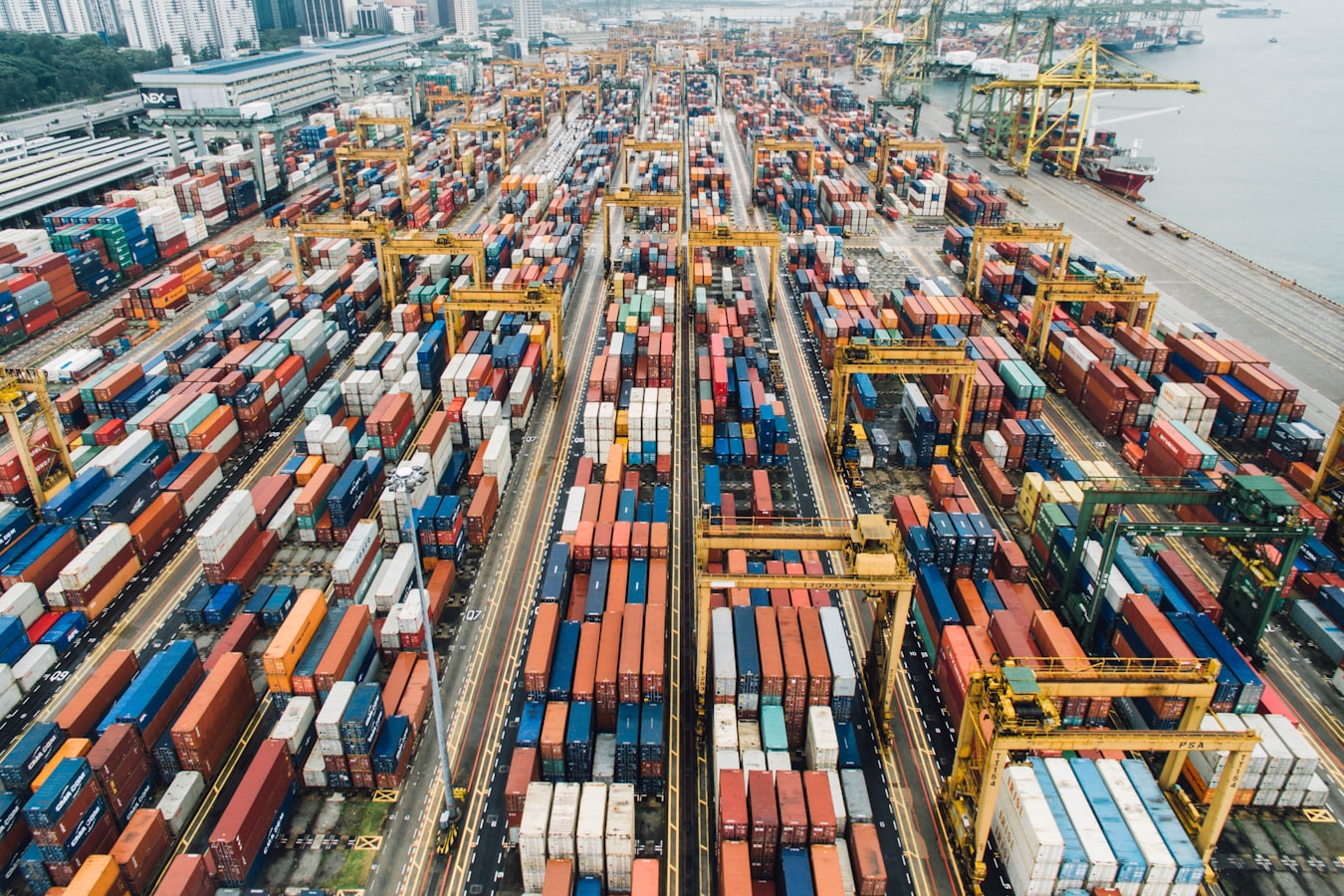
Image source: Unsplash
9.2. Common Peak Season Surcharges
During high-demand periods, carriers implement various surcharges:
- Peak Season Surcharge (PSS): $200-1,000 per container
- General Rate Increase (GRI): 5-15% rate increases, typically announced monthly
- Emergency Bunker Surcharge (EBS): Fuel-related increases of $50-300 per container
- Congestion Surcharge: $100-500 when ports experience backlogs
- Equipment Imbalance Surcharge: $100-300 when container shortages occur
These surcharges are rarely included in initial quotes and often appear as surprises on final invoices. One Supplier Ally client who planned a product launch based on June shipping rates faced an additional $4,200 in peak season surcharges when their shipment moved in September.
9.3. Strategic Timing to Minimize Seasonal Impacts
To mitigate seasonal cost increases:
- Plan production timelines around peak periods: Order earlier to avoid shipping during August-October
- Book shipping space well in advance: Secure allocations 4-8 weeks before peak seasons
- Consider alternative ports: Secondary ports often have lower congestion surcharges
- Evaluate air freight for small, high-value items: Sometimes the premium for air shipping during peak season is less than ocean peak surcharges
- Negotiate contract rates: For regular shipments, secure annual contracts with caps on seasonal increases
10. Environmental and Regulatory Compliance Costs
10.1. Emerging Environmental Regulations
New environmental regulations are creating additional costs throughout the shipping industry:
- IMO 2020 Sulfur Cap: Requiring cleaner, more expensive fuels, adding $100-300 per container
- Carbon Offset Requirements: Some regions now require carbon offsets, adding 1-3% to shipping costs
- Emission Control Areas (ECAs): Special zones with stricter emission standards and higher operating costs
- Ballast Water Management: New requirements adding $50-150 per container to shipping costs
10.2. Country-Specific Regulatory Expenses
Different destination countries impose various regulatory requirements that add costs:
- EU REACH compliance: Chemical testing and registration costs
- Digital Services Tax: New fees on e-commerce shipments in many countries
- Extended Producer Responsibility (EPR) fees: Packaging recycling fees in EU and Canada
- Wood Packaging Material regulations: ISPM-15 compliance costs for pallets and crates
10.3. Future-Proofing Against Regulatory Changes
To protect against escalating regulatory costs:
- Stay informed about upcoming regulations: Join industry associations that provide regulatory updates
- Build compliance buffers into pricing: Add 2-3% to cover emerging regulatory costs
- Work with knowledgeable logistics partners: Choose providers who specialize in your destination markets
- Consider regulatory costs in market selection: Some markets have significantly higher compliance burdens
11. Technology Integration and Visibility Costs
11.1. The Hidden Expenses of Supply Chain Visibility
While technology improves logistics efficiency, implementing visibility solutions carries costs:
- Tracking system implementation: $1,000-5,000 setup fees
- Per-shipment tracking fees: $10-50 per container
- API integration costs: $2,000-10,000 for connecting to ERP or inventory systems
- Data management expenses: $100-500 monthly for storage and reporting
- Training and support costs: Often overlooked but essential for effective use

Image source: Pexels
11.2. Balancing Technology Investment with ROI
Not all visibility solutions deliver equal value. Consider these factors when evaluating technology investments:
- Shipment volume threshold: Most solutions become cost-effective at 5+ shipments monthly
- Data integration capabilities: Standalone systems create additional work
- Scalability costs: Beware of solutions with steep cost increases as you grow
- Hidden implementation expenses: Many systems require more customization than advertised
A mid-sized importer spent $12,000 implementing an advanced tracking system only to discover their shipment volume didn’t justify the expense, with a negative ROI for the first 18 months.
12. The True Cost of Sourcing Agent Services
12.1. Understanding Sourcing Agent Fee Structures
Many businesses overlook logistics management costs when calculating the value of sourcing agents:
Common Fee Structures:
- Percentage-based: 5-10% of order value
- Fixed fee per project: $500-5,000 depending on complexity
- Hybrid models: Base fee plus smaller percentage
12.2. Logistics Cost Savings Through Expert Sourcing
A quality sourcing agent like Supplier Ally typically reduces total logistics costs by:
- Negotiating better shipping rates through established relationships
- Preventing costly documentation errors and delays
- Optimizing Incoterms selection for your specific situation
- Coordinating consolidated shipments to reduce per-unit costs
- Preventing compliance issues that lead to customs penalties
- Managing supplier relationships to prevent production delays that necessitate expedited shipping
Our clients typically see a 15-30% reduction in total logistics costs when working with experienced sourcing agents, often exceeding the agent’s fees.
12.3. Calculating the True ROI of Professional Sourcing Support
When evaluating sourcing agent costs, consider these logistics-related savings:
- Reduced demurrage/detention: Professional coordination can eliminate these charges
- Optimized customs clearance: Proper documentation preparation prevents delays
- Consolidated shipments: Combining orders from multiple suppliers reduces freight costs
- Incoterm optimization: Selecting the most advantageous terms for your situation
- Compliance management: Preventing costly regulatory violations
- Crisis management: Expert handling of shipping disruptions
A small business importing home décor items from multiple Chinese suppliers saved over $8,500 in logistics costs during their first year working with Supplier Ally, more than offsetting our service fees.
Conclusion: Building a Realistic Logistics Budget
Understanding the full spectrum of potential logistics costs is essential for creating accurate budgets and maintaining healthy profit margins when sourcing from China. The commonly overlooked expenses detailed in this guide can easily increase your total logistics costs by 40-60% beyond basic freight estimates.
To build a realistic logistics budget:
- Include all cost components: Factor in every expense category discussed in this guide
- Add appropriate buffers: Build in 15-25% contingency for volatile costs
- Consider timing factors: Account for seasonal variations and production timelines
- Evaluate the total landed cost: Calculate all expenses to get products to their final destination
- Reassess regularly: Review and update your logistics budget quarterly as market conditions change
Working with an experienced sourcing agent like Supplier Ally can help you navigate these complex logistics challenges, identify hidden costs before they impact your bottom line, and implement strategies to minimize your total shipping expenses.
For a personalized assessment of your logistics budget and to discover potential cost-saving opportunities in your supply chain, contact our multilingual team at supplierally.com/contact.
 EN
EN  ES
ES