
Introduction
Overview of China Sourcing Terminology
Welcome to the world of China sourcing! If you’re venturing into this vast market, understanding its unique terminology is vital. Sourcing in China isn’t just about finding products; it involves navigating a complex labyrinth of terms and definitions that are essential for effective communication and successful transactions.
As someone who has dipped my toes into sourcing from China, I recall my initial struggles with the specific vocabulary involved. Words like "OEM" and "MOQ" were nothing but jargon to me at first. Yet, as I immersed myself in the process, I began to realize that these terms hold the keys to unlocking collaboration with suppliers. They help streamline communication and reduce misunderstandings.
In the realm of China sourcing, you will encounter terms relating to quality control, supply chain management, trade practices, and even cultural nuances. Here are a few key terms to familiarize yourself with:
- OEM (Original Equipment Manufacturer): Refers to a company that produces parts or equipment that may be marketed by another manufacturer.
- ODM (Original Design Manufacturer): A company that designs and produces a product that is sold under another company's brand.
- MOQ (Minimum Order Quantity): The smallest amount of a product that a supplier is willing to sell.
By equipping yourself with a solid grasp of these terms—and more—you’ll be well-prepared to tackle the challenges of sourcing from China.
Importance of Familiarizing with Professional Terms
Now, why is it essential to familiarize yourself with this professional vocabulary? Well, let me shed some light on that.
Understanding these terms is like understanding a new language. When you’re in a negotiation or discussing orders with a sourcing agent, the last thing you want is to sound lost or worse; to misinterpret something critical. Here’s why mastering sourcing terminology is crucial:
- Clarity in Communication: Knowing the lingo aids in clear dialogue with suppliers or sourcing agents. You’ll convey your needs more effectively.
- Building Credibility: Using industry-specific vocabulary helps build your reputation as a knowledgeable buyer, which can foster trust and rapport with suppliers.
- Efficiency in Sourcing: Being well-versed in terms such as lead times, payment methods, and compliance can expedite your sourcing process.
For example, I once attended a trade show in China without a solid understanding of the terminology and found myself unable to ask the right questions. I missed out on valuable opportunities simply due to a gap in my vocabulary.
In essence, by immersing yourself in China sourcing terminology, you’re not just learning a set of words—you’re paving the way for successful partnerships, smoother transactions, and a more rewarding sourcing experience. With this knowledge at your fingertips, you’ll be better equipped to tap into the immense potential that sourcing from China offers.
Foundational Terms
Definition of China Sourcing
As we dive deeper into the China sourcing landscape, it’s crucial to grasp the foundational terms that shape this field. First up, what exactly is China sourcing? In simple terms, it's the process of finding and procuring products from suppliers in China. This can involve anything from raw materials to finished goods.
Having sourced various products over the years, I've seen firsthand how this practice can benefit businesses. Companies turn to China not just for competitive prices but also for a vast array of manufacturing capabilities. Whether you’re a startup or a large corporation, understanding China sourcing can help you lower costs and keep your supply chain resilient.
Here are some key aspects of China sourcing:
- Cost-Effectiveness: Many businesses benefit from lower manufacturing costs.
- Diverse Product Range: From electronics to textiles, there's a wide selection of products available.
- Access to Manufacturing Expertise: Chinese manufacturers are often highly skilled in modern production techniques.
Understanding Sourcing Agents
Moving on, let’s talk about sourcing agents—your allies in this intricate process. A sourcing agent is a third-party professional who helps you find suppliers, negotiate deals, and manage your orders in China. These individuals can be invaluable, especially if you're unfamiliar with the language, local customs, or market dynamics.
From my experience, hiring a good sourcing agent can save you time and reduce stress. They do the legwork for you, vetting suppliers and ensuring quality. Here’s what a sourcing agent typically does:
- Supplier Identification: They find reputable manufacturers that suit your needs.
- Negotiation: Experts in negotiation, they help secure the best prices and terms.
- Quality Assurance: Some agents offer services related to inspecting products before shipment.
Having a sourcing agent can feel like having a local guide in a foreign land—they navigate the complexities so you can focus on scaling your business.
Role of Quality Control in Sourcing
Next, no discussion about sourcing would be complete without addressing quality control (QC). This refers to the procedures and measures that ensure your products meet established quality standards before they leave the factory.
Quality control is critical because, ultimately, it affects your brand reputation. Poor-quality products can lead to returns, bad reviews, and loss of customers. Therefore, implementing a solid QC process is non-negotiable. Here are a few quality control measures to consider:
- Pre-Production Samples: Always request samples before bulk orders to assess quality.
- In-Process Inspections: Conduct inspections at different stages of production.
- Final Quality Checks: Ensure a thorough inspection before shipment.
In my early days, I learned the hard way that skipping quality checks can result in unhappy customers and unexpected costs.
Key Differences: OEM vs. ODM
Finally, let’s clarify two terms you’ll often see in sourcing conversations: OEM and ODM. While they may sound similar, they represent different manufacturing models.
- OEM (Original Equipment Manufacturer): This is where you have a product designed and strictly manufactured to your specifications. The design belongs to you, while the factory in China produces it.
- ODM (Original Design Manufacturer): On the other hand, ODM means the manufacturer designs the product, and you can rebrand it. This option allows more flexibility if you don’t have a specific idea in mind.
For instance, if you’re passionate about a unique gadget and have specific features in mind, you might lean toward an OEM. Conversely, if you’re looking to enter a market quickly with an established product, an ODM might be the way to go.
Understanding these foundational terms sets the stage for a more successful experience in China sourcing, allowing you to navigate this exciting marketplace with confidence.

Supply Chain Management
Exploring Supply Chain Dynamics
As we transition into the realm of supply chain management, I can't emphasize enough how important this aspect is for the success of your sourcing endeavors. Supply chain dynamics encompass the entire journey of your products—from the moment they are conceived to when they reach the customer’s hands. Understanding these dynamics is essential because many elements interact, impacting your operational efficiency and cost-effectiveness.
A well-functioning supply chain involves multiple stakeholders including suppliers, manufacturers, logistics providers, and, of course, you, the buyer. Having experience in navigating these dynamics has shown me that communication among all parties is key. When everyone is on the same page, it fosters cooperation and leads to better decisions.
Here are some components that influence supply chain dynamics:
- Supplier Relationships: Strong relationships can lead to better terms and timely responses.
- Market Trends: Stay updated on market shifts to adapt your sourcing strategies accordingly.
- Risk Management: Identifying potential risks early on allows you to be proactive rather than reactive.
Logistics and Transportation Terms
Speaking of dynamics, let’s dive into logistics and transportation—that bridge between production and delivery. Logistics includes all the processes that help move products efficiently, while transportation specifically refers to the physical movement of goods. You'll encounter several terms here that are crucial for understanding logistics.
For instance:
- Freight Forwarder: A professional who arranges the shipment of goods on behalf of the owner.
- Bill of Lading (BOL): A document that details the type, quantity, and destination of the goods.
- Containerization: The use of standardized containers to facilitate transportation across different modes (cargo ships, trains, trucks).
Understanding these logistics terms will help you engage effectively with shipping companies and ensure timely deliveries. I still remember my first-time negotiating shipping rates without knowing what a Bill of Lading was—quite an eye-opener!
Importance of Lead Time in Sourcing
How about lead time? This essential term often dictates the rhythm of your supply chain. Lead time refers to the total time it takes from placing an order until it’s ready for delivery. In my experience, effectively managing lead time can mean the difference between meeting customer expectations and falling short.
Here’s what you should know about lead time:
- Supplier Location: Distance directly affects lead times; sourcing locally will typically be faster.
- Production Scheduling: Understanding your supplier's production capacity is crucial.
- Shipping Time: International logistics can introduce delays, so consider this when planning.
To put it simply, the shorter your lead time, the faster you can respond to market demands, which is vital in today’s fast-paced environment.
Inventory Management Vocabulary
Finally, let’s touch on inventory management—an essential aspect of supply chain management. Keeping track of stock levels can make or break a business. From my own experience, poor inventory management can lead to stockouts or overstock, resulting in lost sales or increased holding costs.
Some key terms in inventory management include:
- Just-in-Time (JIT): A strategy that aligns inventory with production schedules to reduce holding costs.
- Safety Stock: Additional inventory kept on hand to mitigate uncertainty in demand or supply.
- SKU (Stock Keeping Unit): A unique identifier for each distinct product and service that can be purchased.
Utilizing these terms and strategies will help streamline your inventory processes, ensuring that you always have the right amount of product on hand to meet customer demand without excess.
In summary, mastering supply chain management—with a focus on dynamics, logistics, lead time, and inventory—arms you with the knowledge needed to make informed decisions. This not only elevates your sourcing game but helps create a more resilient business overall.
Trade and Payment Terms
Understanding Incoterms
As we delve into the critical aspects of trade and payment terms, let’s start with Incoterms—short for International Commercial Terms. Incoterms define the responsibilities of buyers and sellers when it comes to shipping and payment, clarifying who bears the risk and costs at various stages of the delivery process. For anyone involved in sourcing from China, having a grasp of these terms is non-negotiable.
In my early days of sourcing, I overlooked the importance of Incoterms and encountered unexpected costs that impacted my bottom line. The good news is that learning about Incoterms saves you from surprises like that!
Here are some commonly used Incoterms you should know:
- FOB (Free On Board): The seller is responsible for costs and risks until the goods are loaded on the ship. After that, it's on you!
- CIF (Cost, Insurance, and Freight): The seller covers the costs, insurance, and freight charges to the destination port, but once the goods arrive, you take on the responsibility.
- EXW (Ex Works): The seller makes the goods available at their premises, and you handle all logistics and risks from that point forward.
Understanding these Incoterms can give you confidence in negotiating contracts and ensure you're aware of your responsibilities, costs, and risks throughout the shipping process.
Payment Methods in Chinese Sourcing
Next, I want to discuss payment methods, which play a crucial role in Chinese sourcing. The way you pay can affect your relationships with suppliers, your cash flow, and even the overall dynamics of your transactions.
Popular payment methods include:
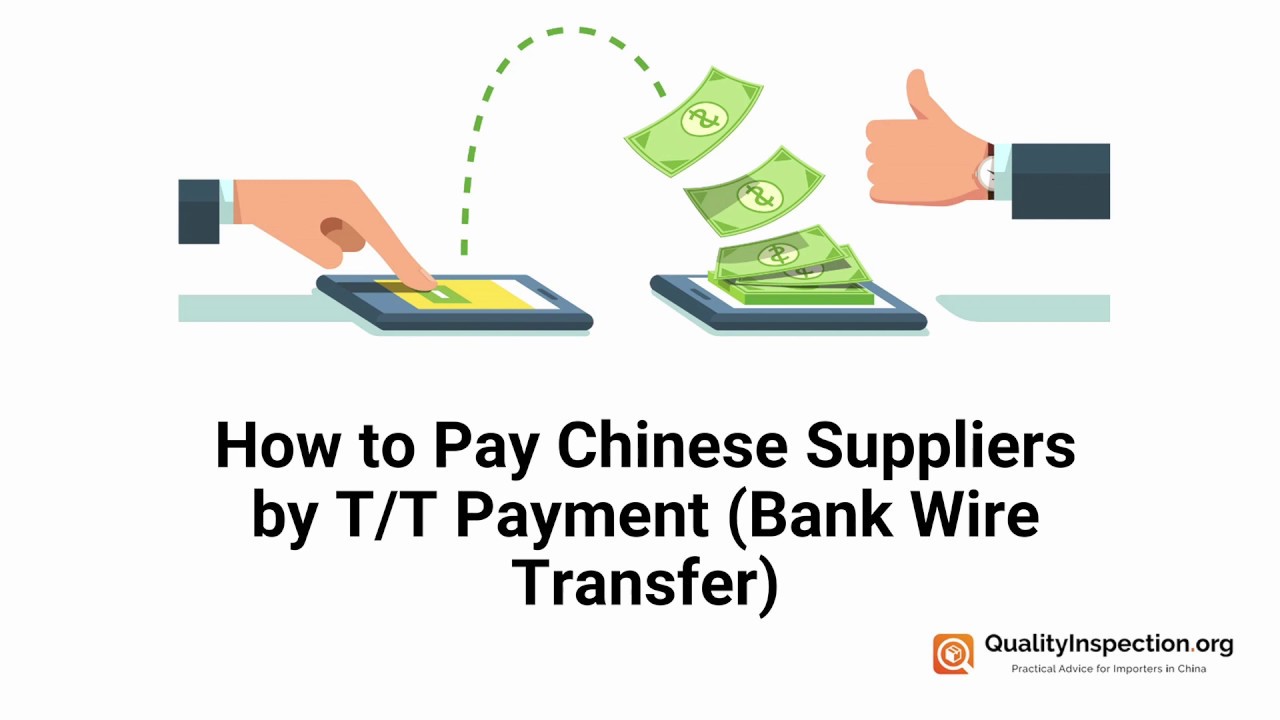
- Telegraphic Transfer (T/T): This is a common method, where you transfer funds directly from your bank to the supplier’s bank. It’s fast and secure but usually involves upfront payments.
- PayPal: If you’re dealing with smaller amounts or want an extra layer of protection, PayPal can be a handy option. However, fees can eat into your margins.
- Letter of Credit (L/C): This formal contract protects both parties and reduces risks, as banks guarantee payment once conditions are met, but it can be more complex to manage.
I remember when I first started sourcing, I used T/T without fully understanding the risks involved, which led to a few nerve-wracking moments when suppliers weren’t responsive. Now, I always ensure there's clear communication about payment terms to avoid misunderstandings.
Import Duties and Tariffs
Lastly, let’s dive into import duties and tariffs—key elements that can impact the total cost of goods. When importing products into your country, you’re often required to pay duties and tariffs, which are taxes imposed on goods coming from overseas.
The rates can vary based on:
- Product Classification: Different products have different duty rates based on their classification codes.
- Country of Origin: Some trade agreements may lower tariffs for products from specific countries, including China.
- Valuation: Import duties are typically calculated based on the value of the goods, including shipping costs.
Understanding these factors can significantly affect your cost calculations and profitability. It’s critical to conduct proper research or consult with customs brokers to have a firm grasp on these duties before placing orders.
In conclusion, comprehending trade and payment terms—including Incoterms, payment methods, and import duties—will position you to make smarter decisions as you navigate the complexities of sourcing from China. With this knowledge, you’re well on your way to successfully managing your supply chain and building lasting relationships with your suppliers.
Product Development Terminology
Navigating MOQ and MOP
Continuing our journey into product development terminology, let’s tackle two key concepts: Minimum Order Quantity (MOQ) and Minimum Order Price (MOP). These terms are fundamental when you're sourcing products, especially from manufacturers overseas.
MOQ refers to the smallest amount of a particular product that a supplier is willing to sell in one order. Often, manufacturers set MOQs based on production costs and efficiency. For startups or small businesses, this can be a turning point. When I first sourced a unique accessory from China, I underestimated the MOQ and ended up ordering far more than I could sell, leading to storage issues and financial strain.
MOP, on the other hand, is the minimum dollar value that a supplier will accept for a specific order. Knowing the MOP can help you budget appropriately and avoid overextending your finances.
Here are some tips for navigating MOQ and MOP:
- Negotiate: Sometimes, you can negotiate lower MOQs if you have a good relationship with the supplier or if they have unused inventory.
- Combine Orders: If you can team up with another business to meet the MOQ or MOP, it might save you money and reduce risk.
- Understand the Justification: Ask suppliers how they arrived at their MOQ and MOP; it can provide insights into their production processes.
Glossary of Product Testing Terms
Now that you have a handle on MOQs and MOPs, let’s dive into essential product testing terminology. Quality assurance is critical in product development to ensure that you’re delivering a safe and reliable product to your customers.
Here are some common product testing terms you should know:
- Quality Assurance (QA): A systematic process that ensures products meet customer and regulatory requirements.
- Quality Control (QC): Inspecting and testing products after manufacturing to ensure they meet specified quality standards.
- Functional Testing: Evaluating how well a product performs its intended functions.
When I was launching a new gadget, my supplier suggested various product tests. Initially overwhelmed, I learned that each test contributes to building consumer trust and meeting regulations. Ensuring every product passes these tests also saves you from future headaches like returns or recalls.
Prototyping and Mold Making Definitions
Finally, let’s explore prototyping and mold making—two crucial steps in product development. In my experience, these processes are where your concepts start to take shape.
Prototyping is the creation of an early model of your product to test and validate your ideas. This step allows you to make necessary adjustments before going into full production. For example, I once created a prototype of a drink bottle. It helped identify design flaws and modify functionality before investing heavily in manufacturing.
Mold Making refers to creating a physical mold that will be used to mass-produce your product. A quality mold can significantly affect the final product's quality and cost. It’s essential to collaborate closely with manufacturers during this phase to refine your designs for optimal mold effectiveness.
Here’s a breakdown of the mold making process:
- Design Review: Finalizing the prototype before creating the mold.
- Mold Production: The actual creation of the physical mold which can take weeks.
- Testing the Mold: Producing initial samples to test for accuracy and quality.
Both prototyping and mold making are critical for ensuring that your final product aligns with your vision. By thoroughly understanding these terms, you’re setting yourself up for a successful product development journey.
In summary, navigating MOQ and MOP, understanding product testing vocabularies, and mastering prototyping and mold making terminology will enhance your efficiency and effectiveness in product sourcing, ultimately leading to better results in the marketplace.

Negotiation and Contracts
Terms for Negotiation Strategies
As we delve into the essence of negotiation and contracts, understanding negotiation strategies is paramount to achieving favorable outcomes in your sourcing endeavors. Many people often overlook this aspect, but I can tell you from personal experience that effective negotiation can save you significant costs and build strong relationships with suppliers.
When entering negotiations, here are some key terms and strategies to keep in mind:
- BATNA (Best Alternative to a Negotiated Agreement): Knowing your options if negotiations fall through can empower you to make better decisions.
- ZOPA (Zone of Possible Agreement): This is the range where the expectations of both parties align. Understanding this zone helps you establish realistic goals.
- Anchor Pricing: Start with a price lower than your actual target. This sets the stage for negotiation and can lead to a sweeter deal.
I remember negotiating with a supplier over the price of a new product. By being clear about my BATNA—working with another manufacturer—I approached the discussion confidently, and it ultimately led to a more favorable agreement for both sides.
Elements of a Sourcing Contract
Once you’ve navigated the negotiation waters, the next critical step is crafting a sourcing contract. A well-defined contract is a safety net in international sourcing that protects both parties' interests. Here are some essential elements that should be included:
- Product Specifications: Clearly outline the product details, including materials, dimensions, and quality standards.
- Pricing Terms: Include the price per unit, payment methods, and any discounts for larger orders.
- Delivery Terms: Specify lead times, shipping methods via Incoterms, and responsibilities for shipping costs.
- Quality Control Clauses: Detail the protocol for inspections and the process for addressing defective products.
- Termination Conditions: Clearly outline the circumstances under which either party can terminate the contract.
In my early contracts, I sometimes neglected to detail these elements. However, after disputes ensued over product quality or delivery delays, I learned that clarity upfront saves time and prevent misunderstandings down the road.
Debunking Payment Terms Jargon
Finally, let’s tackle payment terms—an area that can often seem confusing due to the jargon involved. Understanding these terms is essential for smooth transactions and to foster trust with your suppliers.
Here are a few common payment terms you might encounter:
- Advance Payment: A partial payment before production begins, common for new relationships or custom products.
- Net 30/60/90: This indicates the payment terms upon receiving an invoice. “Net 30” means the full amount is due within 30 days.
- Letter of Credit (L/C): A document from a bank guaranteeing payment to the supplier, provided certain conditions are met.
When I first encountered these terms, I felt overwhelmed and worried about potential risks. By engaging in open discussions with my suppliers about payment conditions, I could clarify what worked best for both parties.
In conclusion, mastering negotiation strategies, understanding the essential elements of a sourcing contract, and debunking payment terms jargon positions you to be more effective in international sourcing. Armed with this knowledge, you can build stronger partnerships, ensure smoother transactions, and ultimately, find greater success in your sourcing ventures.

Quality Assurance and Compliance
QC Checklist Explained
With negotiation and contracts set in place, the next significant focus in your sourcing journey is quality assurance and compliance. This aspect is crucial as it ensures that the products you receive meet the necessary standards and regulations. One of the most effective tools for maintaining quality is a thorough Quality Control (QC) checklist.
A QC checklist helps streamline the inspection process by defining the criteria that products must meet before they're shipped. When I first started sourcing, I remember how overwhelming quality inspections felt. However, adopting a QC checklist made it much more manageable and effective.
Here’s a simple structure for a QC checklist that I found helpful:
- Product Specifications: Verify dimensions, materials, and functionality.
- Appearance Check: Look for any visible defects, scratches, or color discrepancies.
- Functionality Testing: Ensure the product operates as intended under various conditions.
- Packaging and Labeling Compliance: Check that packaging is intact and labels are clear and correct.
- Documentation Review: Confirm that all necessary certifications (like safety standards) are included.
Using a QC checklist not only minimizes the chance of defects slipping through but also demonstrates professionalism to your suppliers.
Compliance Regulations Vocabulary
Next up is understanding compliance regulations vocabulary, which can often feel daunting but is vital for international sourcing. Compliance regulations are standards set to ensure that products are safe for consumers and meet specific criteria set by various authorities.
Here are a few key terms that often arise in compliance discussions:
- Regulatory Compliance: Adherence to laws and regulations specific to the market where the product will be sold.
- Certification: Formal proof that a product meets regulatory standards, such as CE marking in Europe or FCC certification in the U.S.
- Safety Standards: Guidelines that products must meet to ensure they do not pose risks to consumers.
During one of my sourcing ventures, I found myself navigating the complex landscape of internet and electronic device regulations. Familiarizing myself with compliance terms made conversations with suppliers and legal experts much smoother.
AQL Levels in Quality Inspection
Finally, let’s discuss AQL, or Acceptable Quality Level, which is a critical concept in quality inspection. AQL defines the maximum number of defective items that can be accepted in a sample lot. Understanding AQL levels is crucial for setting quality expectations and planning inspections.
A common AQL table might look like this:
| AQL % | Class A (Critical) | Class B (Major) | Class C (Minor) |
|---|---|---|---|
| 0.1% | 0-1 | 0-1 | 0-2 |
| 1.0% | 1-3 | 2-4 | 3-7 |
| 2.5% | 2-5 | 3-7 | 4-10 |
In my early quality inspections, I learned to set realistic AQL limits in collaboration with my suppliers. It wasn’t just about the numbers; it was also about building a mutual understanding of what constitutes acceptable quality. This practice helped maintain strong relationships while ensuring product standards were met.
In summary, focusing on quality assurance and compliance—through a solid QC checklist, understanding compliance vocabulary, and awareness of AQL levels—sets the foundation for success in your sourcing endeavors. By mastering these concepts, you position yourself to deliver high-quality products, build trust with your customers, and foster long-term partnerships with your suppliers.
Cultural and Language Considerations
Overcoming Language Barriers
As we venture deeper into the intricacies of sourcing, we must address cultural and language considerations—a critical aspect that can shape your experiences and success. Overcoming language barriers is often one of the first hurdles you’ll face when engaging with suppliers in China. A common misconception is that everyone speaks English, but this isn't always the case.
From my own experience, I often found myself in situations where the supplier's English was limited, leading to misunderstandings. Here are some tips that can help you navigate these language challenges:
- Learn Basic Phrases: Familiarize yourself with common phrases in Mandarin. Simple words like “thank you” or “how much?” can go a long way in building rapport.
- Use Translation Apps: Leverage technology; apps like Google Translate or Pleco can help bridge gaps during conversations.
- Hire a Local Interpreter: If you’re negotiating a significant deal, consider hiring a professional interpreter to ensure clarity.
These strategies not only facilitate smoother communication but also show respect for the supplier’s culture, fostering goodwill.
Interpreting Cultural Nuances in Contracts
Moving on, it’s vital to consider cultural nuances when drafting and interpreting contracts. Chinese business culture places great emphasis on relationships (often termed ‘Guanxi’) and trust. This means that a robust contract is not just a legal document but a reflection of personal relationships and commitments.
In my initial contracts, I would focus solely on legal terms, not realizing that a relationship-driven approach could yield better results. Here are some cultural nuances to consider:
- Building Relationships: Before diving into the details of the contract, build rapport. Engaging in small talk can set a more comfortable tone for negotiations.
- Respect Hierarchy: Understand the importance of hierarchy in Chinese business culture. Make sure to address the right people during discussions and negotiations.
- Patience is Key: The Chinese often take their time when negotiating. Don’t rush the process; allow for discussions to unfold naturally.
By embracing these cultural nuances, you’ll find that negotiations can become more collaborative rather than competitive.
Building Long-term Relationships in Sourcing
Lastly, let's focus on building long-term relationships in sourcing—a cornerstone of effective supply chain management. Establishing trust and mutual respect with your suppliers can lead to better terms, priority during busy seasons, and ongoing support for your business.
From my experiences, here are some ways to foster these relationships:
- Regular Communication: Stay in touch, even when you’re not placing orders. Regular updates can keep you top of mind and strengthen your rapport.
- Show Appreciation: A simple thank-you can go a long way. Acknowledge your suppliers’ efforts and successes.
- Be Transparent: If you anticipate challenges (like delayed payments), communicate proactively and honestly. Transparency shows respect and builds trust.
For instance, during one sourcing project, I faced potential delays due to shipping. I communicated this early to my supplier and, as a result, they were willing to extend payment terms to accommodate the situation.
In conclusion, successfully navigating cultural and language considerations—by overcoming barriers, interpreting nuances in contracts, and developing long-term relationships with suppliers—can significantly enhance your sourcing outcomes. Adopting a respectful and open-minded approach not only leads to smoother transactions but also ushers in opportunities for growth and collaboration in your business journey.
Trends and Innovations
Industry-Specific Terminology
Continuing our exploration of the sourcing landscape, we cannot overlook the latest trends and innovations that are shaping the industry today. Understanding industry-specific terminology is crucial when engaging with suppliers and partners. As you dive deeper into sectors like electronics, textiles, or automotive, you’ll encounter unique jargon that can enhance communication.
For instance, in electronics sourcing, terms like PCB (Printed Circuit Board) and BOM (Bill of Materials) frequently arise. In textiles, you'll come across materials like Tencel or GOTS (Global Organic Textile Standard) certification. Knowing such terms not only helps streamline conversations but also boosts your credibility as a knowledgeable buyer.
When I first entered the electronics sector, I felt overwhelmed by the terminology. I took the time to read up on the essential terms and even created a reference sheet. This preparation led to more fruitful discussions with potential suppliers and a deeper understanding of product specifications.
Green Sourcing and Sustainable Practices
As we move forward, an increasingly important trend in sourcing is green sourcing and adopting sustainable practices. Companies today are more conscientious of their environmental impact, from the production of goods to the materials used. Sourcing green products not only benefits the planet but also resonates with consumers’ growing preferences for eco-friendly options.
Here are a few sustainable practices to consider:
- Sourcing Recyclable Materials: Opting for materials that can be recycled or repurposed is essential in reducing waste.
- Energy-Efficient Production: Collaborating with manufacturers that utilize energy-efficient technologies can cut down on carbon footprints.
- Transparency in Supply Chains: Ensuring that your supply chain partners follow sustainable practices builds trust and meets consumer expectations.
I remember sourcing for a product line aimed at environmentally-conscious consumers. By implementing green practices, like using recycled packaging, we not only aligned with the brand's mission but also attracted a loyal customer base.
Incorporating AI and Big Data in Sourcing
Finally, let’s explore how technology is redefining sourcing through AI and big data. These innovations offer businesses revolutionary insights that can enhance decision-making and efficiency.
For example, AI algorithms can analyze market trends and consumer behaviors to optimize inventory levels or forecast demand. Big data helps in identifying reliable suppliers by evaluating past performances and assessing risk factors. Here are a few advantages of incorporating AI and big data in sourcing:
- Enhanced Forecasting: Predict trends before they emerge, which allows you to meet consumer demands proactively.
- Supplier Performance Analysis: Use data analytics to evaluate supplier performance based on delivery time, quality, and costs.
- Cost Reduction: Streamline operations to cut unnecessary expenses, making the business more profitable.
When I began leveraging big data in my sourcing strategies, I noticed a significant reduction in overstock situations. By analyzing consumer purchasing patterns, I was able to optimize my inventory levels, leading to cost reductions and improved cash flow.
In summary, keeping abreast of current trends and innovations—including industry-specific terminology, green sourcing practices, and the incorporation of AI and big data—empowers you to stay competitive in the sourcing landscape. Embracing these changes not only enhances your operational efficiency but also ensures that your business aligns with modern consumer expectations and environmental standards.

Conclusion
Recap of Key China Sourcing Terms
As we wrap up our comprehensive exploration of China sourcing, it's important to recap some of the key terms we've discussed throughout the various sections. Mastering these terms not only enhances your communication with suppliers but also positions you strategically in your sourcing endeavors.
Here’s a quick overview of the crucial terms we've covered:
- Sourcing Agent: A professional who facilitates the process of finding suppliers and negotiating contracts.
- MOQ (Minimum Order Quantity): The smallest amount of a product that a supplier is willing to sell.
- OEM vs. ODM: Original Equipment Manufacturer and Original Design Manufacturer—each serving different production needs.
- AQL (Acceptable Quality Level): The maximum number of defective items allowable in a sample lot during quality inspections.
- Incoterms: International Commercial Terms that define who takes responsibility at various stages of shipping and payment.
Each of these terms has implications that extend beyond mere definitions; they play crucial roles in shaping your sourcing strategy, impacting everything from negotiations to quality assurance.
Reflecting on my own experiences, I recall how a lack of understanding of these terms initially led to missed opportunities and miscommunication. However, as I became more familiar with this vocabulary, my confidence grew, and I was able to build more effective partnerships with manufacturers.
Advantages of Mastering Professional Vocabulary
Now, why is mastering professional vocabulary essential for your sourcing journey? The advantages are numerous, and they can significantly influence your success in the international marketplace.
- Enhanced Communication: Knowledge of industry-specific terms allows you to articulate your needs more clearly, reducing misunderstandings and misinterpretations.
- Increased Credibility: When you speak the same language as your suppliers and partners, it builds trust and establishes you as a serious player in the industry.
- Better Negotiation Outcomes: The ability to use the right terminology in negotiations empowers you to secure better deals and terms that align with your business goals.
- Streamlined Processes: By familiarizing yourself with sourcing processes, including quality control and compliance, you can anticipate challenges and address them proactively.
For example, early on in my sourcing journey, I was hesitant to negotiate aggressively because I lacked confidence in my vocabulary. Once I invested time in learning these terms, I found myself better equipped to approach suppliers confidently. This not only improved my negotiation outcomes but also led to stronger, more collaborative relationships.
In conclusion, the world of China sourcing is rich with opportunities, and mastering its vocabulary is your gateway to success. By building your lexicon and understanding the terms that govern this space, you empower yourself to navigate sourcing challenges with ease, ultimately positioning your business for growth and success in the global market. Embrace this learning journey, and you'll see the benefits in every transaction and partnership you pursue.
 EN
EN  ES
ES